
Most homeowners start a remodeling project with one major concern in mind: staying on budget. Unfortunately, many remodeling cost problems begin long before construction starts. They begin during the early planning phase, when expectations are unclear, decisions are incomplete, and pricing is based on assumptions instead of defined information.
This is one of the biggest differences between a professionally planned remodel and a project that feels chaotic halfway through construction. When layouts are unresolved, materials are still undecided, and scope details are vague, pricing becomes difficult to stabilize. That uncertainty tends to show up later in the form of change orders, delays, and frustration for everyone involved.
At Bryce Toenjes Construction, we approach remodeling through a structured design-build process because planning and construction should not be separated. The more clearly a project is defined upfront, the more predictable the construction phase becomes. For homeowners in Monroe County, Waterloo, Columbia, Millstadt, Smithton, and nearby communities, that planning process is often what determines whether a remodel feels organized and manageable or stressful and constantly shifting.
Key Takeaways
- Most remodeling budget problems begin during the planning phase, not during construction.
- Undefined scope is one of the biggest reasons remodel costs change.
- Material selections, layout revisions, permits, and delayed decisions all impact pricing.
- Accurate remodeling estimates require detailed planning and clear expectations.
- Design-build remodeling helps reduce communication gaps and pricing surprises.
- Thorough planning creates more predictable timelines, budgets, and project outcomes.
Most remodeling budget problems are not caused by construction itself. They start with incomplete planning decisions before the project begins.
Why Homeowners Feel Blindsided by Remodel Costs
Many homeowners are surprised when remodeling costs shift during a project, especially when they believed they already had an estimate in place. In reality, early pricing conversations are often based on incomplete information.
A homeowner may know they want a bathroom remodeled or an addition built, but major details may still not be fully defined:
- What materials are being used?
- Will plumbing locations stay the same?
- Are structural changes required?
- What level of finish is expected?
- Are permits, engineering, or municipality approvals needed?
Without those answers, pricing is still moving. Unlike new construction, remodeling involves working within the limitations of an existing home. Older framing, hidden water damage, outdated wiring, uneven floors, or structural modifications can all influence cost once work begins.
That does not mean remodeling should feel unpredictable. It means planning matters more than many homeowners initially realize. The projects that tend to stay more stable are the ones where important decisions are made before construction starts.
The Real Problem: Undefined Scope
When remodeling costs change dramatically, the root issue is often not labor rates or material pricing alone. It is undefined scope.
Scope is the complete definition of what the project includes:
- Layout changes
- Material selections
- Fixture specifications
- Structural modifications
- Finish quality
- Trade coordination
- What is included and what is not
When scope remains vague, pricing remains vague too. A homeowner may request pricing before selections are finalized or before the layout is fully developed. Contractors then have to estimate based on assumptions. Those assumptions may not match the homeowner’s actual expectations once the project starts taking shape.
That disconnect creates change. Sometimes those changes seem small at first, such as upgrading tile, moving plumbing fixtures, changing cabinetry layouts, or expanding the project area. But in remodeling, small changes rarely affect only one thing. They often impact scheduling, labor coordination, ordering timelines, and multiple trades at the same time.
Example: How Small Planning Gaps Turn Into Bigger Costs
Consider a bathroom remodel where the early conversation assumes the major fixtures will stay in place. The homeowner then decides during planning that the shower should move, the vanity should expand, and the tile layout should change to fit the new design direction.
Those decisions may all make sense for the finished bathroom, but they can also affect:
- Plumbing relocation
- Electrical placement
- Framing adjustments
- Tile layout and material quantities
- Inspection timing
- Labor sequencing
This is why planning before pricing is finalized matters. The issue is not that the homeowner made the wrong decision. The issue is that the decision needs to be made early enough for the scope, pricing, and schedule to reflect it accurately.
How Material Selections Affect Remodeling Costs
Material selections influence remodeling budgets more than most homeowners expect. Two bathrooms can have the same layout but dramatically different pricing based on tile, plumbing fixtures, cabinetry, shower systems, countertops, lighting, and specialty finishes.
This is one reason professional planning includes guided selections instead of waiting until construction is underway. When selections are delayed, pricing can change between the estimate and the order date. Products can become unavailable. Substitutions may be needed. Installation requirements can shift. Timelines can stretch.
These problems are rarely caused by one dramatic mistake. They usually come from a long series of unresolved decisions. A structured planning process helps narrow choices to products that fit the project realistically. It also helps homeowners avoid decision fatigue, which becomes common when too many options are introduced without guidance.
Why Layout Changes Become Expensive Later
Layout decisions affect nearly every part of a remodel. Changing a vanity location may also require plumbing relocation, electrical updates, framing adjustments, flooring repairs, and additional drywall work.
Removing a wall may involve structural engineering, beam installation, HVAC rerouting, permit revisions, and inspection coordination. This is why layout planning matters so much early in the process.
Many homeowners understandably focus first on visual inspiration. They think about finishes, colors, and style direction. But functionality and layout drive the technical side of the project. Once construction begins, layout revisions become significantly more disruptive because trades have already been scheduled, materials may already be ordered, and completed work may need to be redone.
The Difference Between Rough Estimates and Real Planning
Homeowners often want pricing quickly, especially in the early stages of considering a remodel. The challenge is that accurate pricing requires accurate information.
Online remodeling calculators and instant quotes rarely account for:
- Existing home conditions
- Permit requirements
- Structural work
- Finish level differences
- Product selections
- Construction sequencing
As a result, early ballpark numbers can create unrealistic expectations if they are mistaken for finalized pricing. A professional planning process is designed to move beyond rough assumptions.
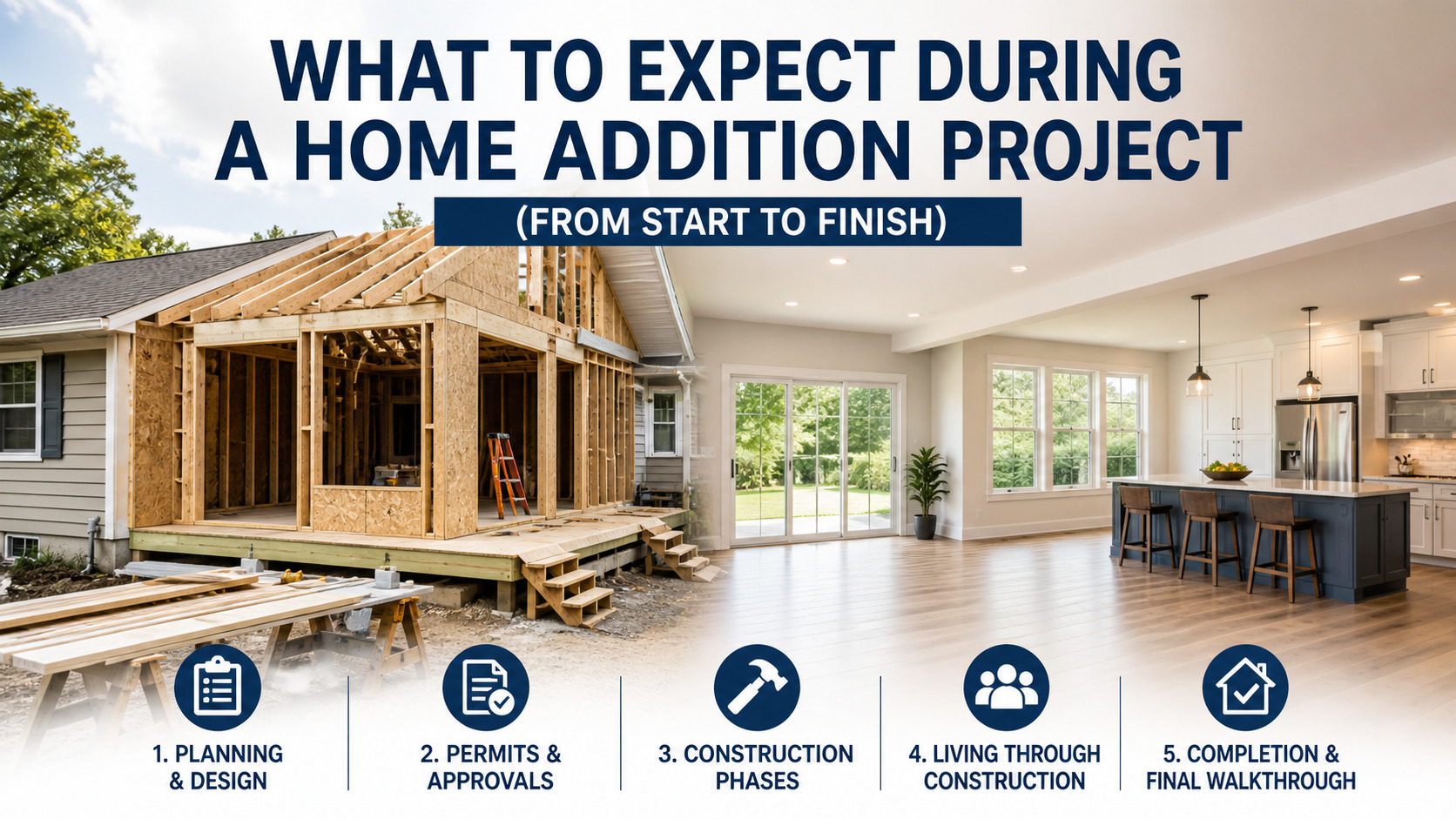
That process typically includes site evaluation, scope development, layout refinement, selection guidance, technical review, and permit coordination. The more complete the information becomes, the more reliable pricing becomes.
Why Design-Build Remodeling Creates More Predictable Costs
A design-build approach keeps planning and construction connected from the start. Instead of separating design decisions from construction realities, both phases inform each other throughout the project.
That matters because remodeling plans should reflect real installation requirements, trade coordination, budget constraints, scheduling realities, material availability, and the condition of the existing home. When those pieces are disconnected, homeowners often end up with plans that look good conceptually but become difficult to execute within the intended budget.
Design-build remodeling helps reduce that risk because the same team guiding the design process is also responsible for construction. Communication stays more consistent, accountability stays clearer, and pricing conversations happen earlier instead of after plans are already finalized. For more on this approach, visit our Design and Planning Services for Remodels pillar page.
Problems Proper Remodeling Planning Helps Prevent
Planning does not eliminate every variable in remodeling, but it does help prevent many of the avoidable problems that make projects feel stressful.
- Unexpected material delays caused by late selections
- Overlapping trade conflicts from unclear sequencing
- Unclear expectations between homeowner and contractor
- Rushed decisions during construction
- Change orders that stack up because the scope was incomplete
- Scheduling breakdowns caused by missing information
- Redesigns after construction has already started
- Budget frustration caused by assumptions that were never clarified
Common Remodeling Planning Mistakes That Increase Costs
Starting With Inspiration Photos Instead of Priorities
Inspiration photos are helpful, but they do not define scope, structural limitations, or realistic pricing. Most homeowners are not remodeling because they want a construction project. They are remodeling because they want their home to function better for their family and daily life. Priorities should lead the plan, and inspiration should support it.
Requesting Pricing Before Decisions Are Made
Pricing without defined selections or layouts usually results in broad assumptions. The less defined the project is, the less stable the pricing becomes.
Changing Scope Mid-Project
Adjustments during construction affect scheduling, labor coordination, material orders, and completed work. Even small revisions can create larger downstream costs.
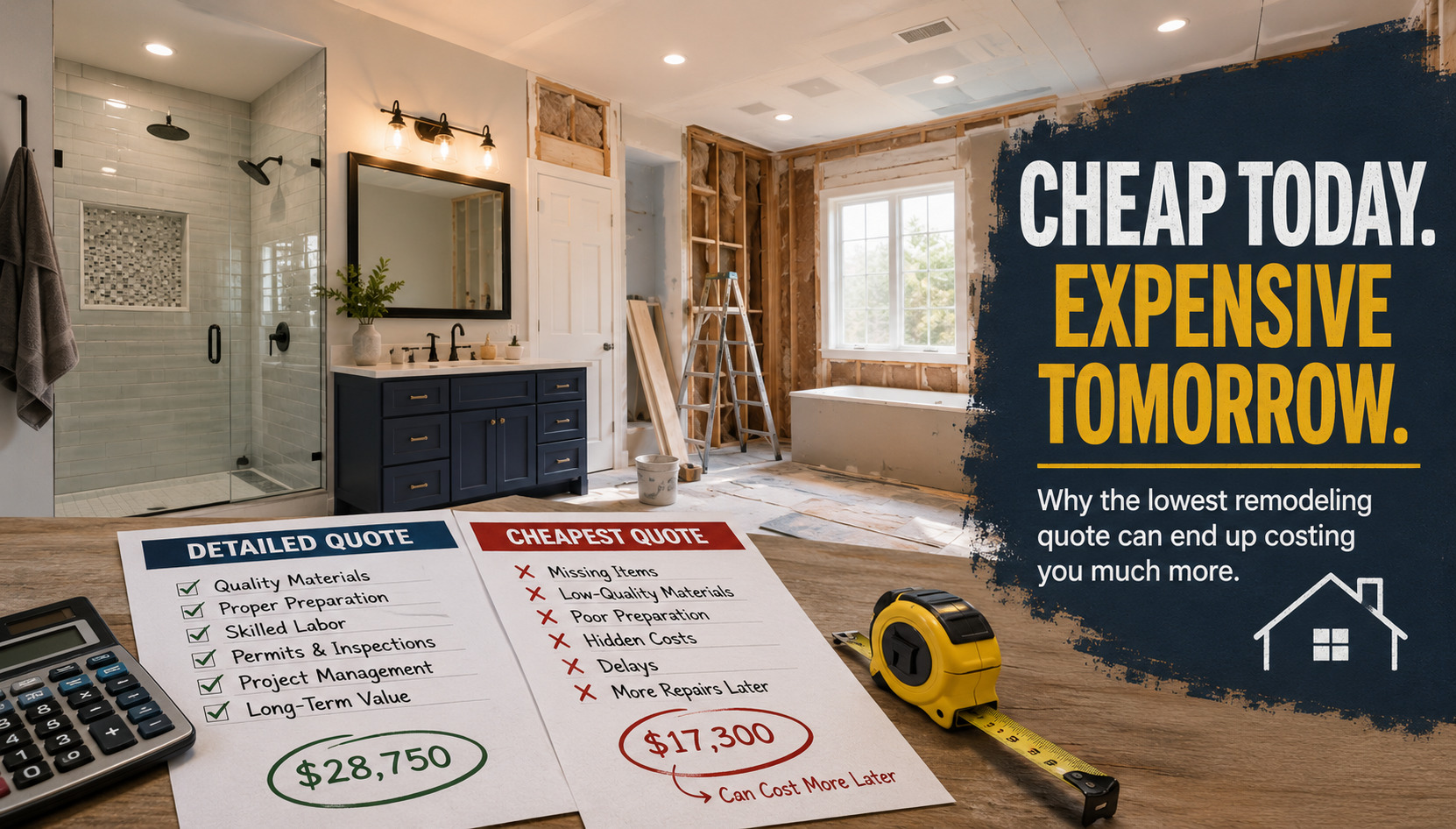
Choosing Based on Lowest Bid Alone
Low bids are sometimes based on incomplete scope, unrealistic allowances, or missing details that surface later as added costs. Price matters, but so does clarity.
Trying to Coordinate Multiple Contractors Independently
Managing separate designers, subcontractors, suppliers, and schedules independently can create communication gaps that lead to delays and inconsistent execution. That is one reason many homeowners prefer a professionally managed design-build process. You can also read more about why professional remodelers use specialized subcontractors.
What a Well-Planned Remodel Actually Looks Like
A well-planned remodel usually feels different from the beginning. The scope is clearly defined before construction starts. Layouts are resolved early. Material selections are coordinated ahead of time. Homeowners understand the major decisions that need to be made and when they need to be made.
Communication tends to feel calmer because expectations are clearer. That does not mean remodeling becomes completely stress-free. Construction still involves moving parts. But when planning is thorough, the project typically experiences:
- Fewer surprises
- Fewer major revisions
- Smoother scheduling
- Clearer communication
- More predictable costs
After hundreds of bathroom remodels and years of coordinating additions and larger renovations, one pattern becomes clear: projects that are thoroughly planned upfront consistently experience fewer avoidable disruptions during construction.
How Proper Planning Protects Your Investment
A remodel is a significant investment in your home. Approaching that investment casually often leads to expensive corrections later. Professional planning helps protect budget predictability, project timelines, material coordination, construction quality, and the overall homeowner experience.
It also creates a stronger final result because the project is being guided intentionally instead of reacting to problems as they appear. Remodeling becomes far more predictable when decisions are made intentionally instead of reactively.
For homeowners planning a full bathroom remodel, home addition, or larger renovation in Monroe County, the goal should not simply be getting a number quickly. The goal should be creating a realistic plan that supports a smoother project from start to finish.
Continue Planning Your Remodel
If you want to better understand how planning, pricing, and construction work together, these resources can help you move forward with clearer expectations.
Understand the Process
Understand Investment
Explore Services and Finished Work
Planning a Remodel in Monroe County?
If you are considering a bathroom remodel, addition, or larger renovation, the best place to start is not rushed pricing or an online calculator. It starts with a conversation about your home, your goals, and the scope of the project you are actually trying to build.
At Bryce Toenjes Construction, we guide homeowners through a structured planning process designed to reduce uncertainty and create a more predictable remodeling experience from the beginning.
Frequently Asked Questions
Why do remodeling costs increase during projects?
Costs usually increase when scope, selections, or layout decisions were not fully defined before construction started. Mid-project changes and hidden conditions can also affect pricing.
Can remodeling costs be fully guaranteed upfront?
Some variables can still exist in remodeling, especially inside older homes, but detailed planning significantly improves pricing accuracy and reduces surprises.
What causes the biggest remodeling budget overruns?
Undefined scope, delayed selections, layout revisions, unrealistic early estimates, and hidden existing conditions are among the biggest causes of remodeling budget problems.
Are change orders always avoidable?
Not always. Some changes come from hidden conditions or homeowner-requested revisions. However, strong planning greatly reduces avoidable change orders.
Why do contractors ask so many questions before pricing?
Detailed questions help define scope and reduce assumptions. Accurate pricing depends on understanding the project clearly before construction begins.
How detailed should remodeling plans be before construction starts?
Plans should define layout, major selections, technical requirements, and overall project scope well enough to support realistic pricing and coordinated construction.
Does design-build remodeling reduce surprise costs?
A design-build process often creates better cost predictability because planning and construction stay connected throughout the project.
Why are remodeling estimates so different between contractors?
Estimates can differ because contractors may include different scope details, allowances, materials, labor assumptions, and levels of project management. A lower estimate is not always a complete estimate.
Should remodeling plans be completed before requesting bids?
The more complete the plans are, the more meaningful pricing becomes. Requesting bids before layout, selections, and scope are defined often leads to numbers that are difficult to compare.
Can I remodel in phases to control costs?
Sometimes phased remodeling can make sense, but it should still be planned carefully. Poorly sequenced phases can create extra mobilization, rework, and scheduling inefficiencies.