Understanding the Remodel Planning Phase
The remodel planning phase is a critical precursor to any successful residential renovation project. It involves defining the project's scope, establishing a budget, creating detailed designs, and securing necessary permits. This stage sets the foundation for the entire remodeling process, ensuring that all stakeholders have a clear understanding of the goals, timeline, and expected outcomes.
Key components of this phase include initial consultations, architectural or design drawings, material selection, and contractor bidding. Thorough planning minimizes unforeseen issues during construction, leading to a smoother experience and a result that aligns with the homeowner's vision and requirements.
Key Stages of Remodel Planning
The remodel planning phase can be broken down into several distinct stages, each building upon the previous one. These stages ensure a systematic approach to preparing for your renovation project, from initial ideas to ready-to-build plans.
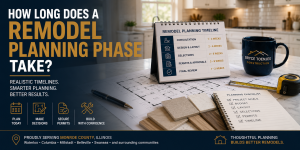
These stages typically include: 1. **Conceptualization and Goal Setting**: Defining what you want to achieve with the remodel. 2. **Budgeting**: Determining a realistic financial framework for the project. 3. **Design and Blueprints**: Creating detailed plans and specifications. 4. **Material Selection**: Choosing finishes, fixtures, and building materials. 5. **Permitting**: Obtaining the necessary approvals from local authorities. 6. **Contractor Selection**: Hiring the right professionals for the job.
Why is a Defined Remodel Scope Crucial?
A clearly defined remodel scope is paramount for a successful renovation project. It acts as a roadmap, outlining precisely what work will be done, the materials to be used, and the desired end result. This clarity prevents misunderstandings between the homeowner and the contractor, ensuring that both parties are aligned on expectations.
Without a defined scope, projects are prone to "scope creep," where additional work is added without proper planning or budget adjustments. This can lead to increased costs, extended timelines, and dissatisfaction. A detailed scope document typically includes specific measurements, material specifications, finishes, and a clear list of included and excluded items.
The Role of Communication in Remodeling
Effective communication is the cornerstone of any successful remodeling project, especially during the planning phase. Open and consistent dialogue between the homeowner and the construction team ensures that all expectations are managed and that potential issues are addressed proactively.
This includes regular updates, clear channels for questions and feedback, and a shared understanding of the project's progress. By fostering a collaborative environment, communication helps to build trust and ensures that the final outcome meets the homeowner's vision and satisfaction.